

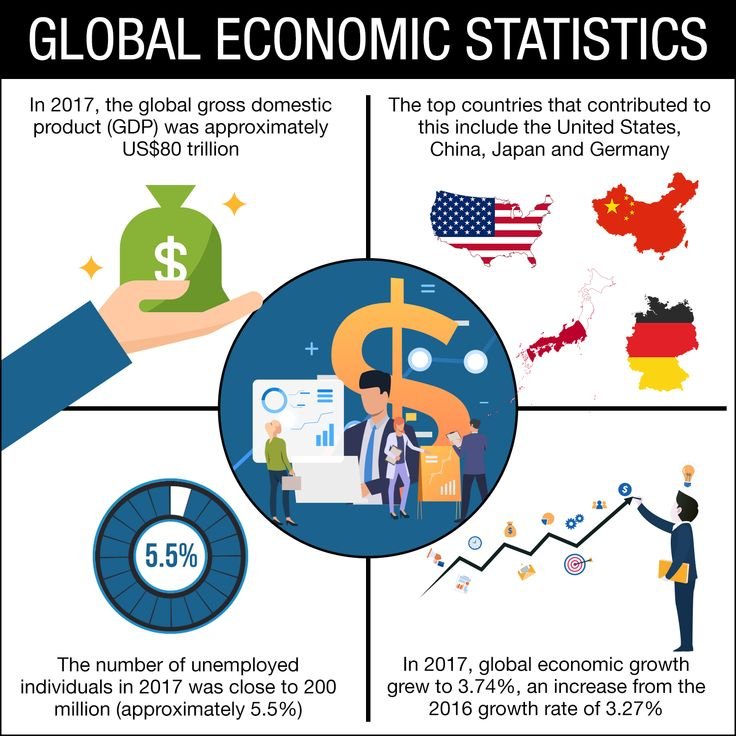
In 2025, the global economy continues to experience profound shifts, influenced by emerging technologies, geopolitical dynamics, and evolving consumer behavior. With increasing economic interdependence and new challenges, understanding the trends shaping the economy is crucial for businesses, policymakers, and investors. TodayCliff’s exclusive analysis offers insights into the most significant economic highlights of the year, shedding light on current developments and what’s ahead in the economic landscape.
1. Global Economic Outlook: Stabilization Amid Uncertainty
The global economy has entered a phase of stabilization in 2025 after the disruptions of the previous years. While recovery has been uneven across regions, overall growth is expected to moderate as economies adjust to post-pandemic conditions, rising inflation, and new geopolitical tensions.
Why It’s Important: Global economic trends directly influence international trade, investment opportunities, and policy decisions. A clear understanding of regional growth patterns can help businesses optimize their strategies and make informed decisions.
Exclusive Insight: TodayCliff’s economic research shows that emerging markets, particularly in Asia and Africa, are expected to drive growth, while developed economies like the U.S. and the European Union face slower recoveries due to persistent inflationary pressures and tighter monetary policies.
What’s Ahead: The global economy will likely see modest growth in 2025, with emerging markets outperforming developed economies. Policymakers will need to manage inflation and adjust fiscal policies to ensure sustainable growth moving forward.
Success Tip: For businesses looking to expand, emerging markets present significant opportunities, particularly in sectors like technology, renewable energy, and e-commerce.
2. Inflation and Monetary Policy: A Tightrope Walk for Central Banks
Inflation remains a critical challenge for economies worldwide. Central banks, particularly in developed countries, have been increasing interest rates to combat rising inflation. However, this balancing act between controlling inflation and supporting growth is expected to continue into 2025.
Why It’s Important: Inflation impacts consumer spending, production costs, and overall economic stability. Interest rate hikes can slow down the economy, but if inflation is not controlled, it can erode purchasing power and decrease market confidence.
Exclusive Insight: TodayCliff’s analysis suggests that inflationary pressures will ease slightly by mid-2025, but central banks will likely maintain higher interest rates to keep inflation in check. The high cost of living and rising borrowing costs may dampen consumer demand in some sectors.
What’s Ahead: Economies will face slow but steady inflation reduction, as supply chains recover and energy prices stabilize. Central banks may focus on fostering economic growth through targeted fiscal policies, balancing the risk of stagflation.
Success Tip: For businesses, it’s essential to adjust pricing strategies to account for inflation while managing operational costs. Investors may look for sectors that typically outperform during inflationary periods, such as utilities, consumer staples, and real estate.
3. Technology and Automation: Accelerating Economic Transformation
Technological innovation continues to disrupt industries across the globe. The integration of artificial intelligence (AI), automation, and blockchain is driving productivity gains while transforming how businesses operate. These advancements present significant opportunities for growth but also pose challenges for job displacement in certain sectors.
Why It’s Important: AI and automation are reshaping industries such as manufacturing, logistics, and customer service. Businesses that invest in these technologies can enhance efficiency, reduce costs, and create more innovative products and services.
Exclusive Insight: According to TodayCliff’s latest analysis, sectors like fintech, healthcare, and renewable energy are leading the way in adopting AI and automation technologies. These sectors are poised for rapid growth, offering new opportunities for investors and professionals with relevant skills.
What’s Ahead: The trend toward automation and digital transformation will continue to accelerate, with AI becoming a core tool in decision-making and customer experience. However, businesses will need to manage the workforce transitions associated with automation.
Success Tip: Companies should invest in automation technologies to streamline operations and improve scalability. Workers should focus on reskilling in tech-related fields to stay competitive as automation becomes more prevalent.
4. Green Economy: Sustainability Drives Investment and Innovation
Sustainability is at the heart of many global economic policies and consumer preferences. Governments and businesses are focusing on reducing carbon footprints, transitioning to renewable energy, and investing in sustainable practices. This green economy is presenting new opportunities in clean tech, renewable energy, and sustainable industries.
Why It’s Important: The shift toward sustainability is not just an ethical responsibility; it is also an economic opportunity. Green technologies and sustainable business practices are attracting investment and driving growth in industries like clean energy, electric vehicles, and sustainable agriculture.
Exclusive Insight: TodayCliff’s research reveals that investment in sustainable sectors is expected to increase, with renewable energy projects, electric vehicles, and circular economies gaining significant traction. This shift is also influenced by growing consumer demand for eco-friendly products and services.
What’s Ahead: As governments implement stricter environmental regulations and carbon reduction targets, the green economy will continue to grow. Businesses that prioritize sustainability will attract more investment and consumer loyalty.
Success Tip: For companies, adopting sustainability practices will not only improve brand image but also open doors to new markets and investment opportunities. For investors, focusing on ESG-compliant companies can provide long-term, stable returns.
5. Global Trade: New Alliances and Shifting Dynamics
Global trade is experiencing a period of transformation. Trade agreements are being re-negotiated, and new alliances are being formed in response to geopolitical tensions and shifting supply chain dynamics. Countries are focusing on diversifying trade partnerships to reduce dependency on a single region.
Why It’s Important: Changes in global trade impact industries ranging from manufacturing to agriculture. Understanding these shifts allows businesses to adjust their supply chains, identify new markets, and reduce geopolitical risks.
Exclusive Insight: TodayCliff’s analysis indicates that trade agreements, particularly in the Asia-Pacific and Africa regions, are expected to reshape global supply chains. The Regional Comprehensive Economic Partnership (RCEP) and Africa Continental Free Trade Area (AfCFTA) will provide new opportunities for businesses looking to expand in these regions.
What’s Ahead: The fragmentation of global supply chains will continue as countries look to reduce dependencies and bolster local production. Trade policies will shift towards ensuring security and resilience in supply chains.
Success Tip: Businesses should assess their supply chains and explore opportunities in emerging trade zones. By diversifying suppliers and markets, companies can mitigate the risks associated with changing trade dynamics.
6. Workforce Trends: The Future of Work and Employee Expectations
The future of work in 2025 is defined by flexibility, remote work, and the increasing demand for skilled professionals. As technology reshapes industries, the workforce is adapting, with many workers seeking more flexible work arrangements and improved work-life balance.
Why It’s Important: The shift toward remote and hybrid work models is a long-term trend that is transforming how organizations hire, manage, and retain talent. The ability to attract and retain top talent will be crucial for business success.
Exclusive Insight: TodayCliff highlights that remote work is expected to remain a permanent feature of many industries, especially in sectors like technology, finance, and consulting. Companies offering flexible work options are seeing higher employee retention and satisfaction.
What’s Ahead: As businesses adopt hybrid work models, there will be an increased focus on developing digital collaboration tools and fostering company culture in remote environments. Professionals with skills in digital communication and self-management will be highly sought after.
Success Tip: For businesses, offering flexible work arrangements can improve employee satisfaction and attract top talent. Workers should invest in digital communication skills and self-discipline to succeed in a hybrid or remote work environment.
Conclusion
The economy in 2025 is shaped by innovation, sustainability, and shifting global dynamics. Understanding the key trends—such as technological disruption, the green economy, and evolving workforce expectations—will help businesses and professionals navigate the changing landscape. TodayCliff’s insights provide valuable perspectives on the economic forces that will shape the future and offer practical advice for staying ahead.
Whether you’re a business leader, investor, or worker, adapting to these trends will provide you with the tools needed to succeed in an increasingly complex and interconnected world. By embracing innovation, sustainability, and flexibility, you can capitalize on the opportunities and overcome the challenges presented by the evolving global economy.