

Recovering from injury or rehabilitating weak muscles requires a thoughtful approach, especially when incorporating pull‑up exercises into your routine. While traditional pull‑ups demand significant strength, certain gadgets can help support gradual, safe progression. One of the most effective tools for rehabilitation is pull‑up resistance bands, which provide adjustable assistance and controlled support. These bands reduce strain on sore or recovering muscles while allowing you to maintain mobility and strength. In this article, we’ll explore gadgets that make pull‑up recovery safer, gentler, and more structured for users at all levels.
Pull‑Up Resistance Bands for Assisted Movement
Pull‑up resistance bands are among the most versatile tools for injury recovery and rehabilitation. These bands loop over a pull‑up bar and support part of your body weight during assisted pull‑ups, making it easier to practice the movement without placing excessive load on healing muscles or joints. By offering variable resistance, bands allow you to adjust support based on comfort and progress. Lighter bands provide more assistance, while heavier bands gradually reduce help as strength returns. This controlled resistance promotes proper form, reduces compensatory movement patterns, and aids in rebuilding muscle strength safely.
Suspension Trainers for Controlled Strength Work
Suspension trainers are adjustable straps anchored to a pull‑up bar or stable support that allow you to perform a range of bodyweight exercises. These systems enable partial pull‑up movements, rows, and assisted exercises that engage the back, shoulders, and core without putting excessive load on joints. Using pull‑up resistance bands alongside suspension trainers can further reduce stress on recovering muscles, making it easier to control movement length and speed. Suspension trainers also allow you to work at various body angles, increasing or decreasing difficulty without added weight.
Doorway Pull‑Up Bars With Assist Hooks
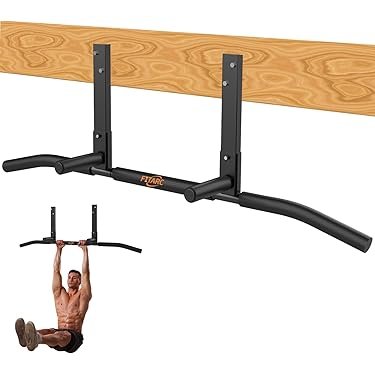
Doorway pull‑up bars with accessory hooks or attachment points allow for easier use of resistance bands and other support tools. These bars provide a stable platform for assisted exercises while keeping equipment organized and within reach. For injury recovery, mounting a bar at an appropriate height lets you focus on partial pull‑ups, hanging holds, and gradual strength progression. Integrating pull‑up resistance bands into this setup creates a supportive environment where you can safely practice assisted movements at a pace that suits your recovery timeline.
Wrist Straps and Grip Supports
Grip strength can be significantly affected during injury recovery, especially if wrist or forearm muscles were impacted. Wrist straps, padded grips, and support gloves reduce grip fatigue and allow you to focus on strengthening larger muscle groups without overtaxing smaller ones. When combined with pull‑up resistance bands, these accessories provide added security and confidence during rehabilitation. By reducing strain on the hands while supporting safe movement patterns, grip aids help you progress back to full pull‑ups more comfortably.
Adjustable Power Towers for Gentle Progression
Power towers are freestanding stations that support pull‑ups, dips, and other upper‑body exercises. For rehabilitation purposes, towers with adjustable height and dip stations allow you to perform assisted or partial pull‑up movements at comfortable intensity levels. Incorporating pull‑up resistance bands into a power tower setup helps you scale exercises safely, making them suitable for early recovery stages. Users can begin with lower resistance and partial reps, gradually increasing range of motion and strength as recovery progresses.
Low‑Impact Row Machines and Cable Systems
Low‑impact equipment such as seated row machines or cable systems offers a way to strengthen the back and arms without full bodyweight pull‑ups. These machines allow controlled motion and adjustable resistance, making them ideal for rehabilitation phases. By combining cable rows with practice on a pull‑up bar assisted by pull‑up resistance bands, you reinforce muscle memory while building the foundational strength necessary for unassisted pull‑ups. This balanced approach supports recovery by integrating stability, mobility, and strength work.
Conclusion: Safe Rehabilitation With Pull‑Up Accessories
Rehabilitation and injury recovery require patience, appropriate progression, and supportive equipment. Gadgets like pull‑up resistance bands, suspension trainers, adjustable power towers, and grip supports help you maintain movement patterns while protecting vulnerable muscles and joints. By using these tools thoughtfully and progressing gradually, you can rebuild strength without pushing through pain or risking further injury. With the right setup and mindful practice, pull‑up training can be safely reintroduced into your fitness routine, aiding recovery and long‑term muscle resilience.