

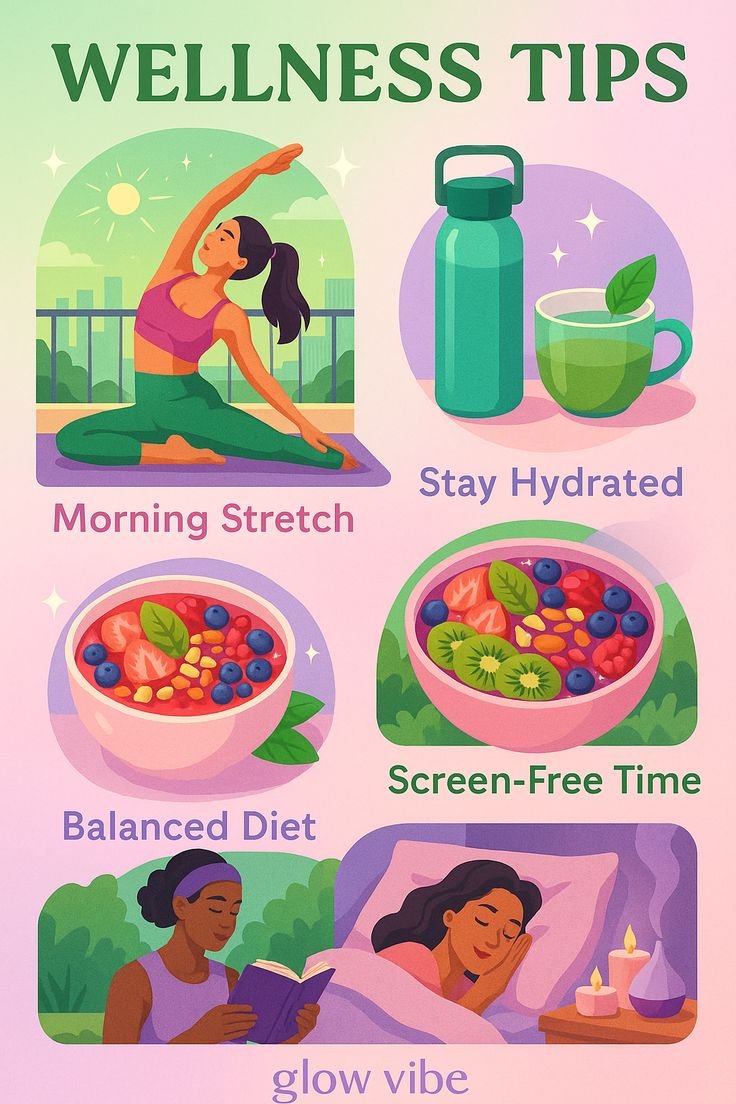
Health is the cornerstone of a fulfilling life, encompassing physical, mental, and emotional well-being. In 2025, the understanding of health has evolved, with an increasing emphasis on holistic approaches, preventative care, and technological advancements. Whether you are seeking to improve your fitness, manage stress, or stay on top of the latest wellness trends, this guide provides updated insights into maintaining and enhancing health. Let’s explore the key health trends, breakthroughs, and essential practices that can help you live a healthier, more balanced life.
1. The Rise of Preventative Health: Proactive Measures for Longevity
Preventative health is gaining prominence in 2025, as individuals and healthcare systems shift focus from treatment to prevention. This approach emphasizes early detection, lifestyle changes, and minimizing risks to improve long-term health outcomes.
Why It’s Important: Preventative care can reduce the risk of chronic diseases such as heart disease, diabetes, and certain cancers. Early interventions not only improve the quality of life but also lower healthcare costs by reducing the need for more extensive treatments.
Exclusive Insight: Today’s health-conscious individuals are adopting healthier diets, exercising regularly, and scheduling regular check-ups, all of which are core components of a preventative health regimen. The use of wearables, such as fitness trackers, allows people to monitor key health metrics like heart rate, sleep, and activity levels, offering real-time insights into their well-being.
What’s Ahead: In 2025, we can expect more emphasis on personalized healthcare, where genetic testing, biomarkers, and AI-driven health assessments will help tailor preventative strategies to individual needs.
Success Tip: Prioritize preventative health by maintaining a balanced diet, exercising regularly, and scheduling routine screenings. Additionally, consider using health apps and wearables to track key metrics and make informed health decisions.
2. Mental Health Awareness: A Growing Priority
Mental health has moved to the forefront of global health discussions, with increasing recognition of its importance for overall well-being. In 2025, mental health is no longer a taboo subject, and more people are seeking therapy, support, and stress-management techniques.
Why It’s Important: Mental health is directly linked to physical health. Chronic stress, anxiety, and depression can lead to physical ailments, while good mental health is associated with higher levels of happiness, productivity, and life satisfaction.
Exclusive Insight: Soft skills like emotional resilience, self-compassion, and mindfulness are becoming essential tools for managing mental health. Digital mental health services, including teletherapy and mental wellness apps, are making mental health support more accessible than ever.
What’s Ahead: Mental health services will continue to expand, with a particular focus on digital platforms. Innovations such as AI-driven therapy bots and virtual mental health consultations will grow, allowing people to access support quickly and efficiently from the comfort of their homes.
Success Tip: Engage in regular self-care practices such as meditation, mindfulness, or journaling. If needed, don’t hesitate to seek professional support through therapy or digital health services to manage stress and mental well-being.
3. Nutrition and Diet Trends: Eating for Health
Nutrition continues to be a cornerstone of good health, with 2025 seeing a shift toward more plant-based diets and customized nutritional plans. The rise of superfoods, functional foods, and personalized meal plans is revolutionizing the way people approach their diets.
Why It’s Important: What we eat has a direct impact on how we feel and function. Proper nutrition can boost energy, support brain function, improve immunity, and reduce the risk of chronic diseases. With the rise of chronic conditions linked to poor diet, understanding the importance of balanced nutrition has never been more critical.
Exclusive Insight: SoftTeller’s research highlights a growing interest in plant-based, low-glycemic diets, as well as customized nutrition based on genetic testing. These trends are fueled by an increased understanding of how different foods affect the body and mind.
What’s Ahead: Personalized nutrition plans are expected to gain momentum, with the use of DNA testing and data analytics to determine the most beneficial foods for an individual’s health. Innovations in lab-grown foods and sustainable protein sources are also on the rise.
Success Tip: Focus on a balanced diet that includes a variety of whole foods. Consider trying a plant-based or Mediterranean diet, both of which have proven health benefits. For more precision, consult with a nutritionist who can help tailor your diet to your specific needs.
4. Physical Activity: Fitness Trends and Innovative Workouts
Physical activity remains a pillar of good health, and in 2025, new fitness trends and technologies are redefining how people exercise. From home workouts to wearable fitness tech, staying fit has never been easier or more personalized.
Why It’s Important: Regular physical activity improves cardiovascular health, strengthens muscles, enhances mental well-being, and promotes a healthy weight. It also plays a key role in reducing the risk of chronic diseases and improving longevity.
Exclusive Insight: Trends such as virtual fitness classes, at-home workout equipment, and fitness apps are gaining popularity. The use of AI-powered personal trainers, such as virtual fitness assistants, allows users to receive customized workout plans based on their fitness goals.
What’s Ahead: Wearables and AI-driven fitness platforms will continue to evolve, offering more personalized feedback and training routines. The integration of VR (virtual reality) and AR (augmented reality) in fitness will provide immersive workout experiences, further engaging users.
Success Tip: Incorporate regular physical activity into your routine, whether through structured workouts or simple activities like walking or cycling. Use fitness apps or wearables to track progress and stay motivated.
5. Sleep Health: Restorative Sleep for Optimal Performance
In 2025, sleep is recognized as one of the most crucial elements of health. Proper sleep is vital for recovery, cognitive function, and emotional well-being. As research continues to uncover the importance of quality sleep, people are investing more time and effort into improving their sleep hygiene.
Why It’s Important: Sleep is a vital component of overall health. Poor sleep is linked to increased stress, reduced immunity, and greater susceptibility to chronic illnesses. Good sleep improves mood, cognitive performance, and physical recovery.
Exclusive Insight: TodayCliff’s research indicates that the growing use of sleep-tracking devices and sleep coaching apps is empowering people to understand their sleep patterns. Techniques like cognitive behavioral therapy for insomnia (CBT-I) are also gaining recognition for their effectiveness in improving sleep quality.
What’s Ahead: The focus on sleep health will continue to grow, with new innovations in sleep technology, including advanced sleep trackers and smart beds. In addition, sleep-focused wellness programs will become more common in corporate settings, reflecting the growing recognition of sleep’s impact on productivity.
Success Tip: Prioritize sleep by creating a calming bedtime routine, keeping a consistent sleep schedule, and reducing screen time before bed. Use sleep-tracking apps or devices to monitor your sleep quality and make improvements where necessary.
6. Telemedicine and Healthcare Innovation: Accessing Care Anytime, Anywhere
Telemedicine has transformed healthcare access, allowing individuals to consult with medical professionals from the comfort of their homes. In 2025, virtual healthcare services are continuing to expand, making it easier for people to receive medical advice, prescriptions, and follow-up care.
Why It’s Important: Telemedicine breaks down barriers to healthcare access, particularly for people in remote areas or those with mobility challenges. It allows for more efficient use of healthcare resources and provides patients with quick access to care.
Exclusive Insight: SoftTeller reports that telemedicine adoption is growing rapidly, particularly in mental health, general medicine, and chronic disease management. The use of AI in diagnostics and treatment recommendations is expected to further enhance the effectiveness of virtual care.
What’s Ahead: In the near future, telemedicine will become even more integrated with wearable health devices, allowing real-time health monitoring and diagnosis. The ongoing shift towards virtual care is also encouraging more preventative health interventions and remote patient monitoring.
Success Tip: Take advantage of telehealth services to manage routine health checkups, seek professional advice on minor issues, or get second opinions. Stay informed about the latest health technologies that can improve access to care and treatment.
Conclusion
Health in 2025 is a multifaceted journey that involves physical fitness, mental well-being, balanced nutrition, and access to advanced healthcare tools. The emphasis on preventative care, mental health awareness, personalized nutrition, and sleep health is helping individuals make informed decisions to improve their quality of life.
By staying up-to-date with the latest health trends and integrating them into your lifestyle, you can enhance your physical and mental well-being. Whether it’s through adopting a balanced diet, embracing new fitness technologies, or prioritizing sleep and mental health, taking proactive steps toward maintaining your health will ensure a long, productive, and happy life.